
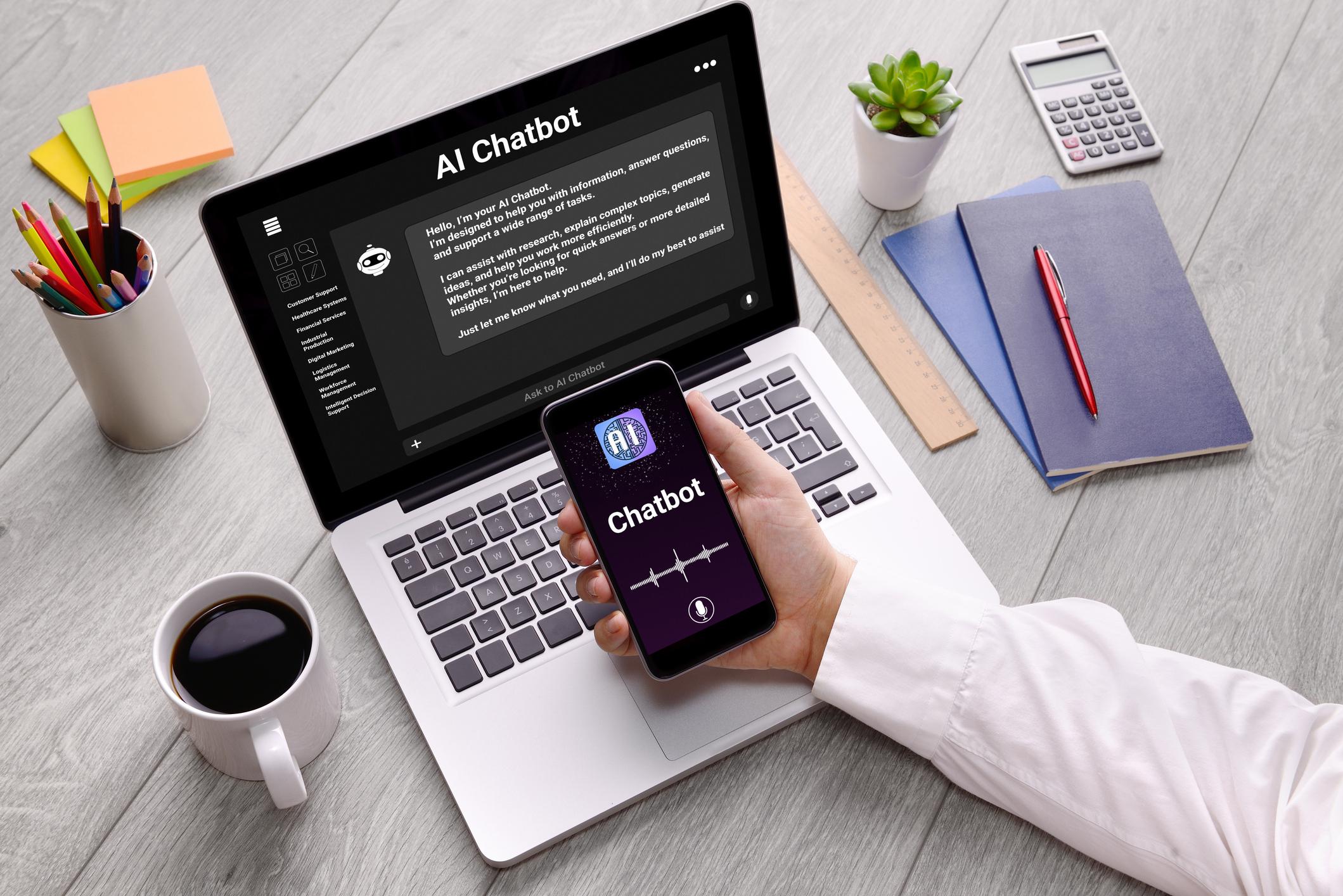
Artificial intelligence is rapidly becoming part of everyday work life, and tools like ChatGPT are changing how businesses communicate, organize, and operate. From writing emails to brainstorming ideas and automating repetitive tasks, AI can help employees work faster and more efficiently.
But while AI offers major advantages, it also raises important questions about responsibility, creativity, and workplace balance. Using ChatGPT on the job can be incredibly helpful—if it’s used thoughtfully.
What Is ChatGPT Used for at Work?
Many professionals use ChatGPT to support daily tasks such as:
- Drafting emails and reports
- Brainstorming content ideas
- Summarizing information
- Assisting with customer support responses
- Creating outlines and presentations
- Improving productivity and organization
AI tools can save time, reduce repetitive work, and help teams focus on more strategic tasks.
The Benefits of Using ChatGPT in the Workplace
Increased Productivity
One of the biggest advantages of AI is speed. Tasks that may normally take hours can often be completed much faster with the help of AI tools.
Better Workflow Support
ChatGPT can help employees organize ideas, generate first drafts, and simplify communication, making day-to-day workflows smoother and more manageable.
Cost and Time Efficiency
Businesses are always looking for ways to improve efficiency. AI can help reduce time spent on repetitive tasks, allowing employees to focus on higher-value work.
Encourages Innovation
When used correctly, AI tools can support brainstorming and creative problem-solving by offering fresh ideas and alternative perspectives.
Important Concerns to Consider
While AI can be useful, it should not replace human judgment, creativity, or critical thinking.
Overdependence on AI
Relying too heavily on AI can reduce problem-solving skills and independent thinking. Employees should use ChatGPT as a support tool—not as a complete replacement for knowledge and expertise.
Accuracy Matters
AI-generated information is not always perfect. Content should always be reviewed, edited, and verified before being used professionally.
Privacy and Confidentiality
Businesses should be careful about sharing sensitive company or customer information with AI tools. Employees must follow workplace privacy and security policies.
Impact on Workplace Skills
As AI becomes more common, organizations should continue investing in employee learning, training, and professional development to maintain strong human skills.
Best Practices for Using ChatGPT at Work
Use AI Responsibly
AI works best when combined with human oversight. Employees should fact-check information and apply professional judgment before using AI-generated content.
Communicate With Teams
Organizations should openly discuss how AI tools are being used in the workplace and provide clear guidelines for responsible usage.
Keep Learning
AI technology is constantly evolving. Staying informed about both the benefits and limitations of these tools helps employees adapt more effectively.
Maintain Human Creativity
Technology can assist with ideas and efficiency, but human creativity, empathy, and decision-making remain essential in every workplace.
Final Thoughts
ChatGPT and other AI tools are becoming a regular part of modern work environments. When used thoughtfully, they can improve productivity, support innovation, and simplify everyday tasks.
The key is balance. Businesses and employees should embrace AI as a helpful tool while continuing to value critical thinking, communication, creativity, and human expertise.
AI may support the future of work—but people will always remain at the center of it.